The Real Benefits of Professional Tile Cleaning for Your Home
Why Tile Floors Need More Than a Mop
I have been in the tile care business for over a decade, and if there is one thing I have learned, it is that tile is not a set-it-and-forget-it surface. Many homeowners assume that as long as they run a damp mop over the floor once a week, the tile is clean. The truth is more complicated. Standard mopping removes surface dust and light spills, but it cannot reach the dirt that settles into the pores of the tile or the grout lines. Over time, that trapped soil builds up and makes the floor look dull, even after a fresh mop.
This is where professional tile cleaning makes a real difference. Unlike daily maintenance, a professional service uses equipment and chemistry that lift ground-in grime without damaging the surface. I have seen tile that looked permanently stained come back to life after a single deep clean. It is not magic, it is just the right tools and technique. For a homeowner, the question is not whether the floor needs this kind of attention, but when to schedule it and what to expect from the process.
What Professional Tile Cleaning Actually Does
When I talk about professional tile cleaning, I mean a multi-step process that goes well beyond a bucket of soapy water. The first step is usually a dry or low-moisture scrubbing to break up loose debris. Then a specialized cleaning solution is applied and agitated with a rotary machine or a counter-rotating brush system. This agitation is key, because it forces the solution into the pores and the grout. After that, the machine extracts the dirty solution along with the soil that was loosened.
Some services also finish with a clear sealer on the grout to make future cleaning easier. That sealer is not always necessary, but it can double the time between deep cleans. The whole process typically takes a few hours for an average sized kitchen or bathroom, and the floor is walkable within an hour or two. The biggest surprise for most people is how much dirt comes out. I have pulled gray water out of a floor that looked clean to the naked eye. That is the kind of thing that convinces homeowners to make this a regular part of their maintenance routine.
Common Misconceptions About Tile Care
One of the most common mistakes I see is using vinegar or bleach on tile and grout. Vinegar is acidic and can etch the glaze on ceramic tile. Bleach kills the color in grout over time and leaves behind a residue that attracts more dirt. Another misconception is that sealing the tile itself is useful. Most glazed tile does not need sealing. The grout does. It is porous and absorbs spills, which leads to staining and odor. A good seal on the grout, applied after a deep clean, can keep the floor looking fresh for years.
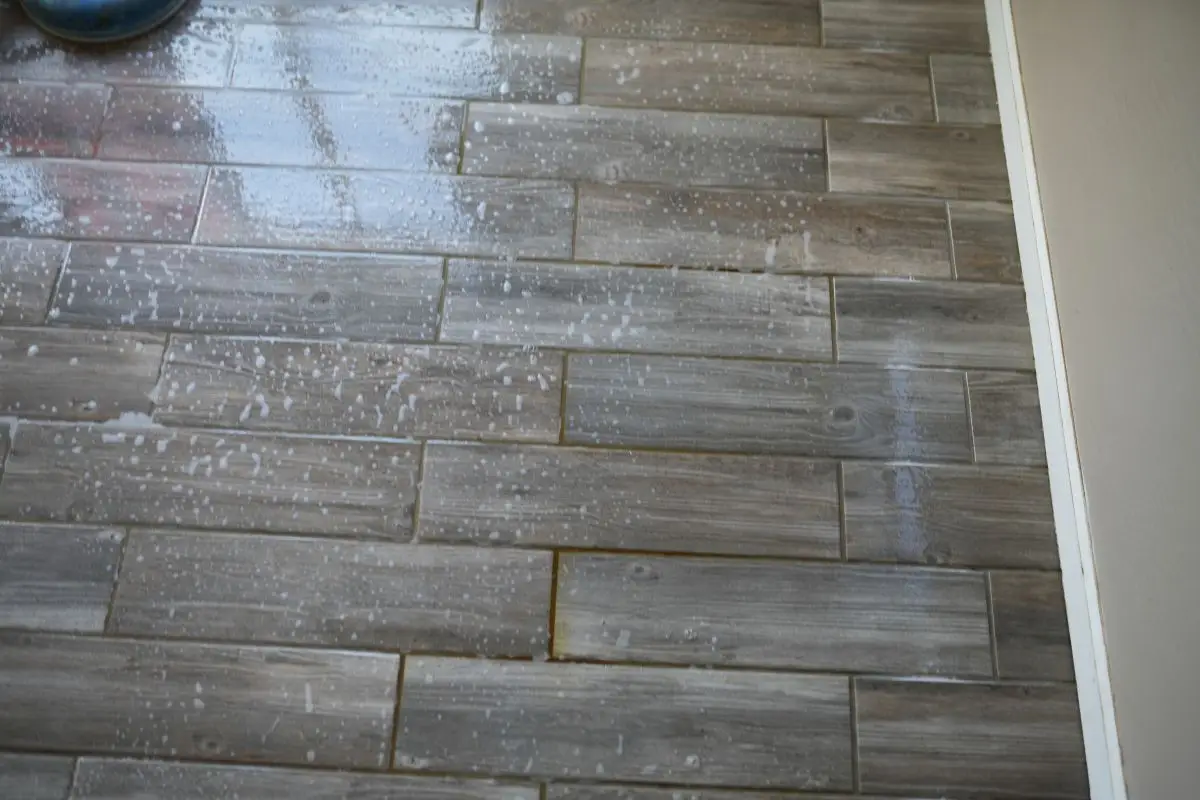
People also assume that steam cleaning is the best option for tile. Steam can sanitize, but it does not always extract embedded soil. If the steam leaves moisture behind, that water can carry dissolved dirt deeper into the grout. That is why extraction based cleaning is generally more effective for heavy soil. Steam has its place, but it is not a substitute for professional tile cleaning when the grout is visibly stained or the floor feels gritty after mopping.
Signs Your Tile Is Ready for a Deep Clean
You do not need to wait for visible staining to call a professional. There are quieter signs that the floor needs help. If the grout feels rough or powdery when you run a finger over it, that means the surface is eroding and dirt is getting trapped. If the tile looks dull even after mopping, that is another clue. High traffic areas, like the path from the back door to the kitchen sink, will show wear first. Pet owners may notice a light ammonia smell that lingers no matter how often they clean. That odor comes from urine that has soaked into the grout. Professional tile cleaning with an enzyme treatment can break down those deposits and remove the smell permanently.
Another sign is if the floor feels sticky after mopping. That can happen when cleaning products build up over time instead of rinsing away. A professional extraction removes that film and restores the natural slip resistance of the tile. In a bathroom, mold or mildew in the grout lines is a clear indicator that moisture is sitting too long and the grout needs a deep clean and possibly a sealant.
How Often Should You Schedule Professional Tile Cleaning?
There is no single answer that fits every home, but I can offer a guideline. For a typical family with kids and pets, once a year is a good baseline. If the tile is in a high traffic area like a kitchen or entryway, every six months may be better. For a bathroom that gets heavy use, twice a year helps keep mold and soap scum under control. Homes with less traffic, like a guest bathroom or a formal dining room, can go two years between deep cleans.
The age of the tile and grout also matters. Older installations that were never sealed will need more frequent attention. If the grout is cracking or missing in spots, a professional can help you decide whether a full regrout is needed before a deep clean will be effective. The key is not to let the dirt build up to a point where it becomes difficult to remove. Regular professional tile cleaning keeps the floor in good condition and extends the life of the installation.
What to Look for in a Service Provider
Not all cleaning companies are the same when it comes to tile. Some use a one size fits all approach that may not be right for your specific type of tile or grout. I recommend asking about the equipment they use and whether they have experience with your kind of floor. A good provider will walk through the home before starting and discuss the process. They should also be clear about whether they include sealing or if that is an extra service.
Another thing to consider is the cleaning solution. Some companies use harsh chemicals that can damage grout or leave a residue. A reputable professional will use products that are safe for your specific tile and for pets and children. If you have concerns about allergies or indoor air quality, ask about low VOC options. A quality provider will have answers to these questions and will not pressure you into services you do not need.
Maintaining the Results Between Cleanings
After a professional cleaning, you can keep the floor looking its best with a few simple habits. Use a microfiber mop instead of a string mop, because microfiber picks up more dirt and leaves less water behind. Avoid wax or polish based cleaners that leave a film. A neutral pH cleaner designed for tile is the safest choice. Place mats at entry points to catch grit and dirt before it reaches the tile. And if you have pets, clean up accidents immediately to prevent urine from soaking into the grout.
If the grout was sealed during the professional cleaning, you will notice that spills bead up instead of soaking in. That gives you a few extra minutes to wipe them away. The sealant will wear off over time, typically every two to three years, depending on traffic. When it starts to fade, you will see the grout absorb water again. That is the best time to schedule another professional cleaning and reseal.

I have worked on hundreds of tile floors, and the ones that hold up best are the ones that get a regular deep clean along with sensible daily care. Tile is a durable material, but it needs the right kind of attention to stay that way. A mop can handle the surface, but only professional tile cleaning can reach the dirt that settles into the pores and the grout. That is the difference between a floor that looks okay and one that looks genuinely clean.
Connect with us on Instagram.
Excel Floor Care is a locally owned tile and grout cleaning service in Gilbert, AZ, operated by Matt Jordan since 2011, serving the Phoenix Valley with professional cleaning, sealing, and pet odor treatment. The business is located at 105 E Baseline Rd, Gilbert, AZ 85233, USA, and can be reached at +1 480-729-2731.